Oil Based Rust Protection VS. Hard Coating
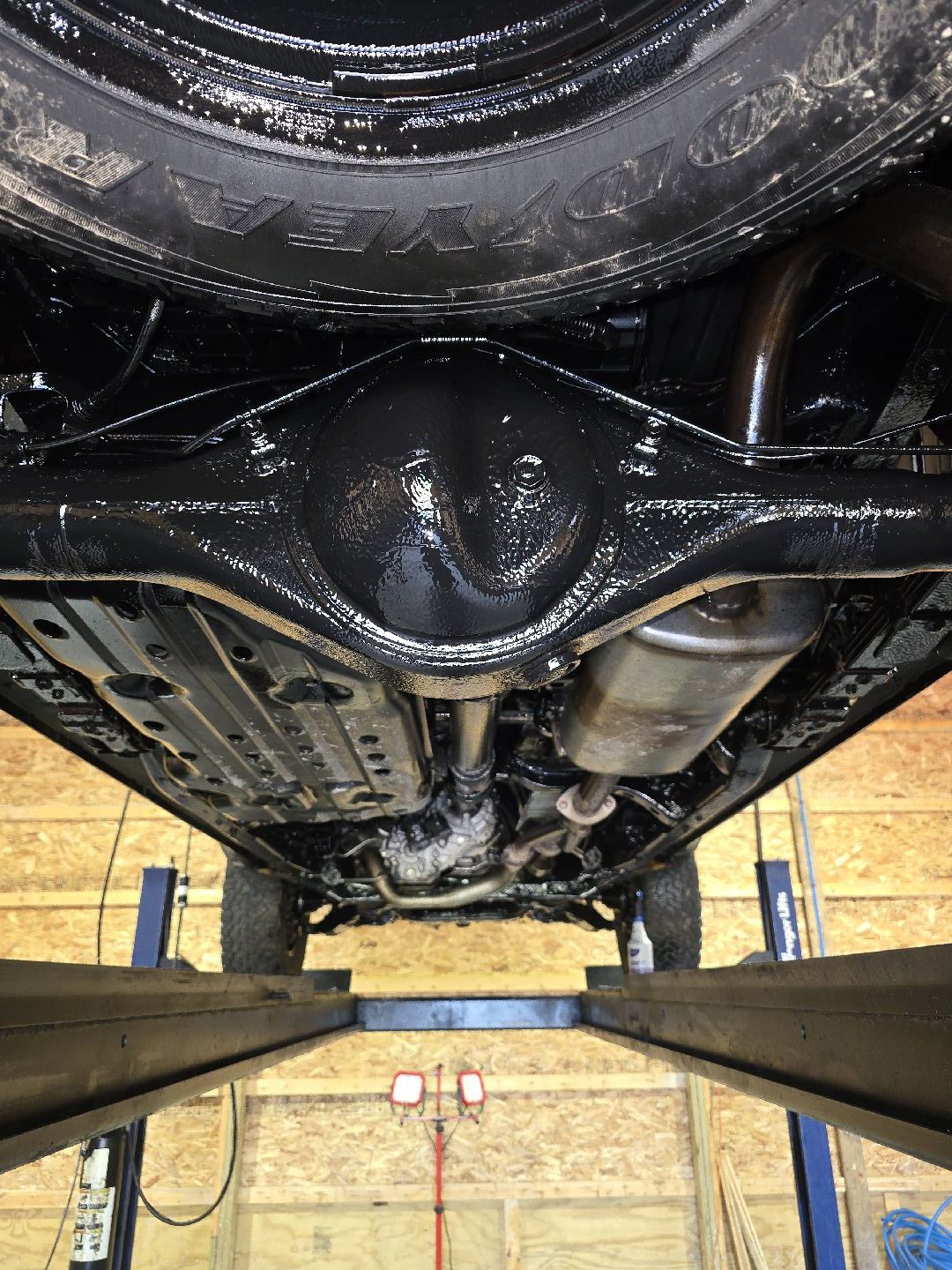
A battle as old as Good vs Evil, and opinions fly on both sides of the argument but let us use experience and observation as a tool here. When an old pickup truck comes in for a first service, and the whole thing is rusted out, the only spots where it's not, is where its been leaking oil, the slow seep from the rear pig, and where the grease fittings are. Why is that? Well that's because its been coated in oil or some derivative of it, a fluid that doesn't dry fully, tacks up in colder months and penetrates the metal, sealing it off from the moisture and oxygen.
Rust is oxidation on steel, for that to occur there are three required elements, Iron, Oxygen, and Moisture. Oil based rustproofing products penetrate steel, enveloping it and create a barrier that seals it from oxygen and moisture, two of the three needed elements for rust, leaving only the iron, which is the vehicle component itself, and due to the oil not drying fully its creates a "skin" of sorts, that when broken will self heal due to the creeping properties of oil. Now we add in the corrosion inhibitors, like calcium sulfonate and other wax/fat products like lanolin which aid in water repellency and durability.
Now lets talk Hard coatings... whether its a bedliner which is made for exactly that, truck beds that don't see constant road brine abuse; rubberized coatings, which frankly I'm not too sure what they're good for exactly; to asphalt, tar, etc. they all have one thing in common, they dry fully and harden up. Wood is very strong and durable when hard and dry, right? Well a toothpick is hard, dry wood but its very thin so when twisted, flexed, etc. it tends to snap, now imagine that as the coating on your frame, under pressure, twisting, bending, vibrating, and that hard barrier cracks, and salt brine gets behind it...yep, you guessed it, ROT and that's assuming the internal and external 360 coverage of said hard coating. The frame would almost have to be removed and dipped to ensure that type of coverage, thats where the 24/7-365 creeping ability of oil blends absolutely shine.
At RR we are not stuck with, or beholden to any specific brand, and in fact we use quite a few, depending on the vehicle, the age, the wear characteristics, driving habits, or even customer request, ranging from standard oil based to very thick wool grease blends that resemble grease for "high wear" areas. One thing we have not done, do not do, and will not ever do, is apply a coating to your vehicle that will dry fully, and harden into a brittle mess that traps rust behind it accelerating it into rot.
So in conclusion, I think the answer to this age old question is right in our faces, using physics, chemistry, anecdotal evidence, documented services, and experience. Oil Undercoating for the win.
God Bless, Chris Brown - Redeemed Rustproofing